


Merchant onboarding,
payments, and operations
in one banking-grade system.
Built for a UAE banking context, this implementation combined merchant onboarding, customer profile management, transaction processing, and a hybrid merchant app with deep NBF API integrations throughout.
A connected operating stack,
not a single payment screen.
Capture, validate, review, approve, and activate merchants, shops, terminals, and bank details.
Synchronize merchant, location, terminal, and banking records into operational customer structures.
Onboarding APIs
Customer profile APIs
Transaction processing APIs
Support static QR, dynamic QR, request to pay, and pay by link with bank-coupled execution flows.
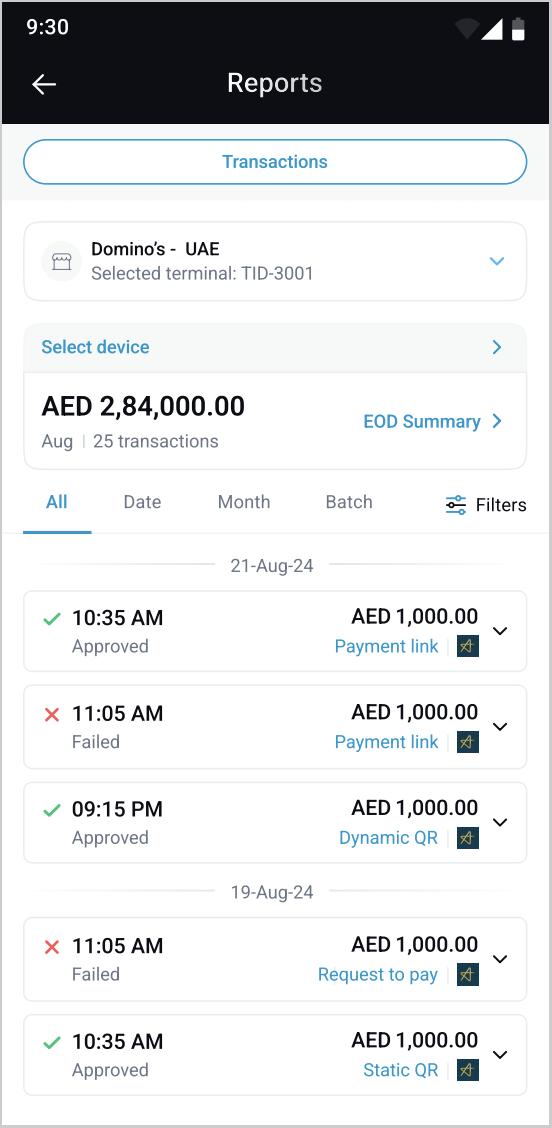
Deliver login, OTP, collection journeys, reports, support, and profile controls in one mobile surface.
The experience was broad, but each surface stayed focused.
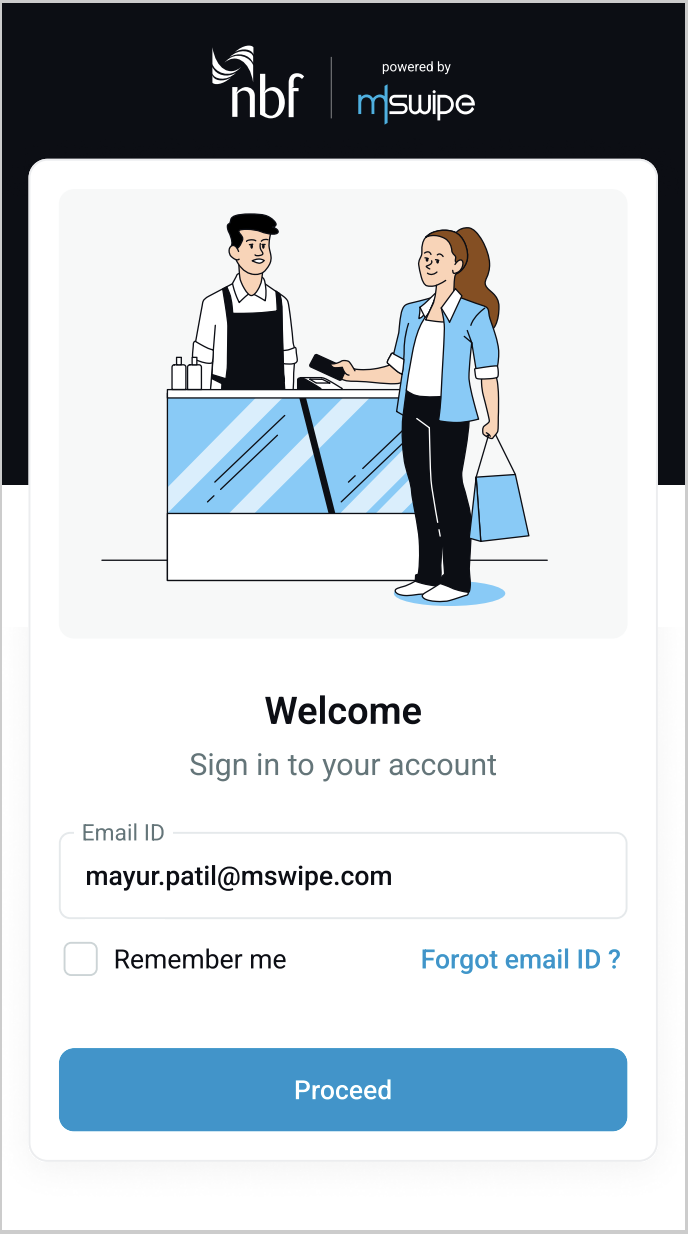
Native shell + OTP-led entry before handing the merchant into the application experience.
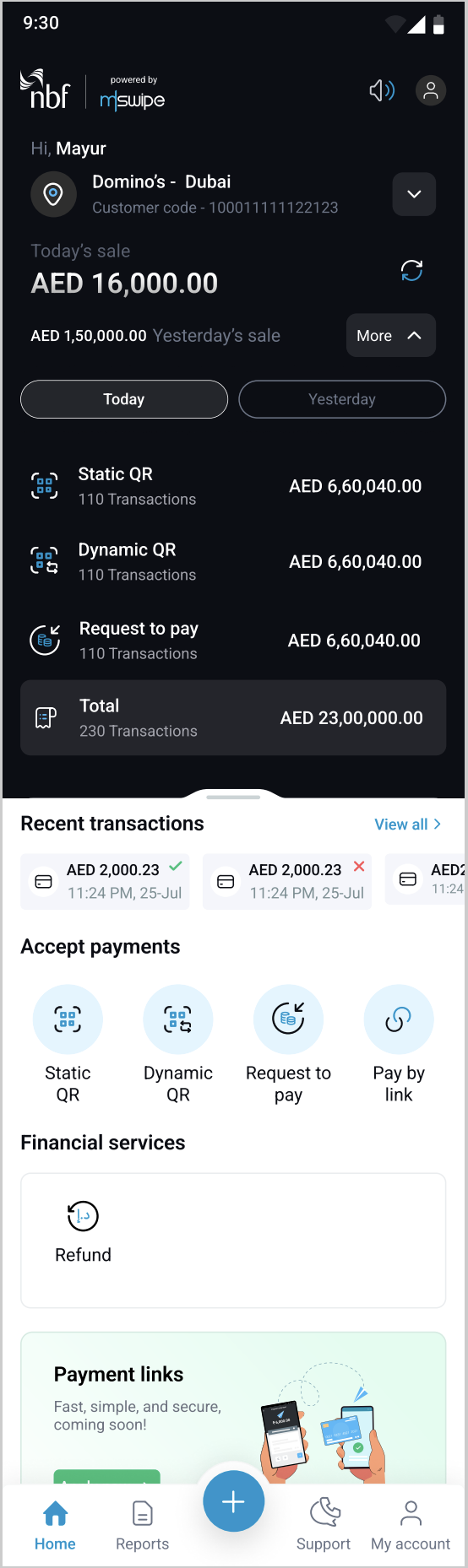
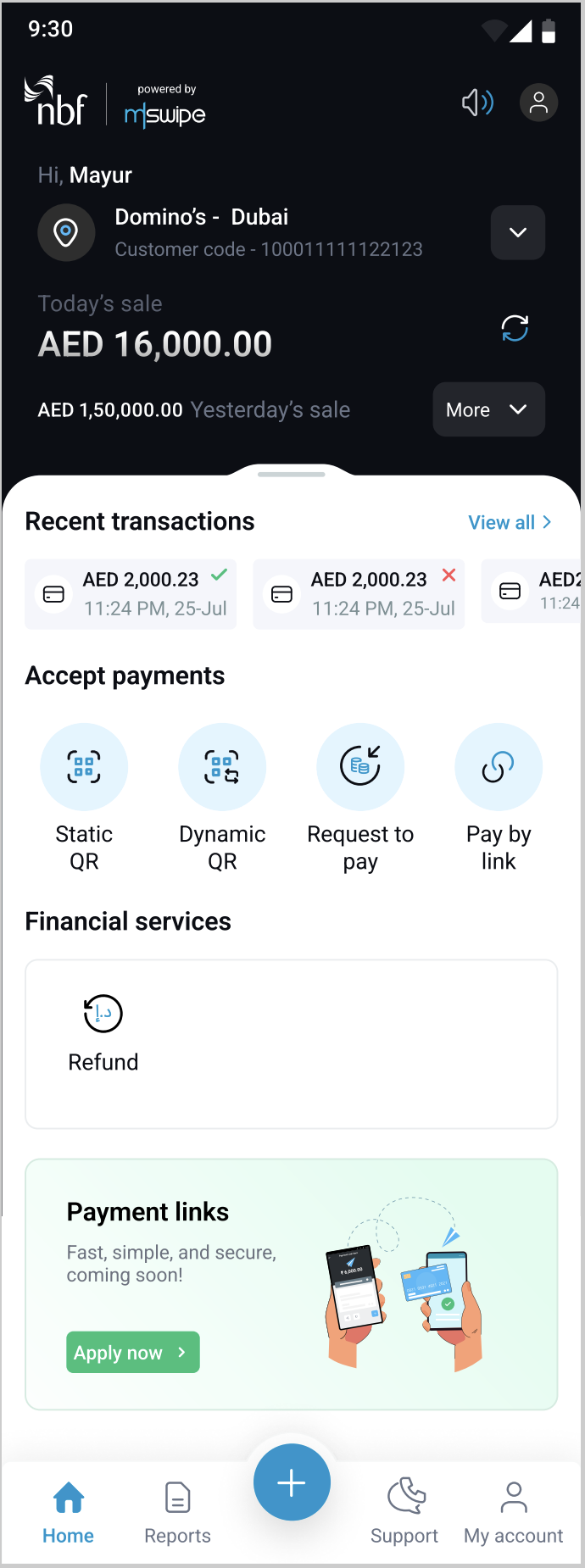
Daily sales, payment mix, recent transactions, and operational shortcuts in one surface.
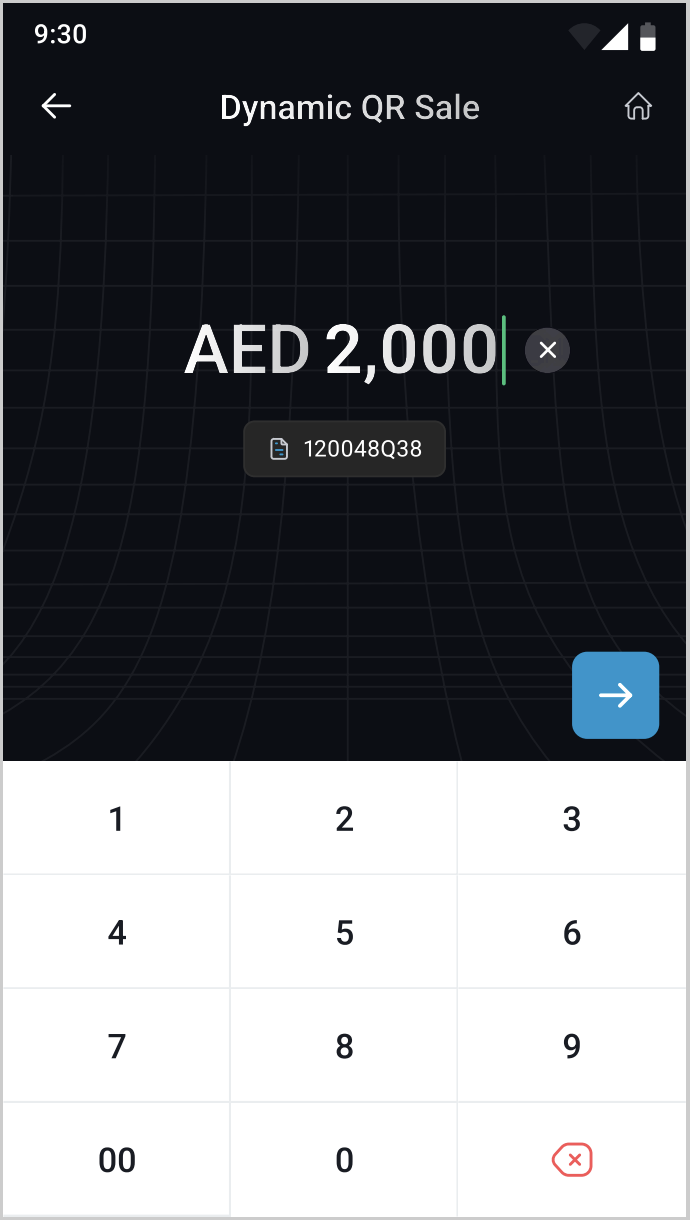
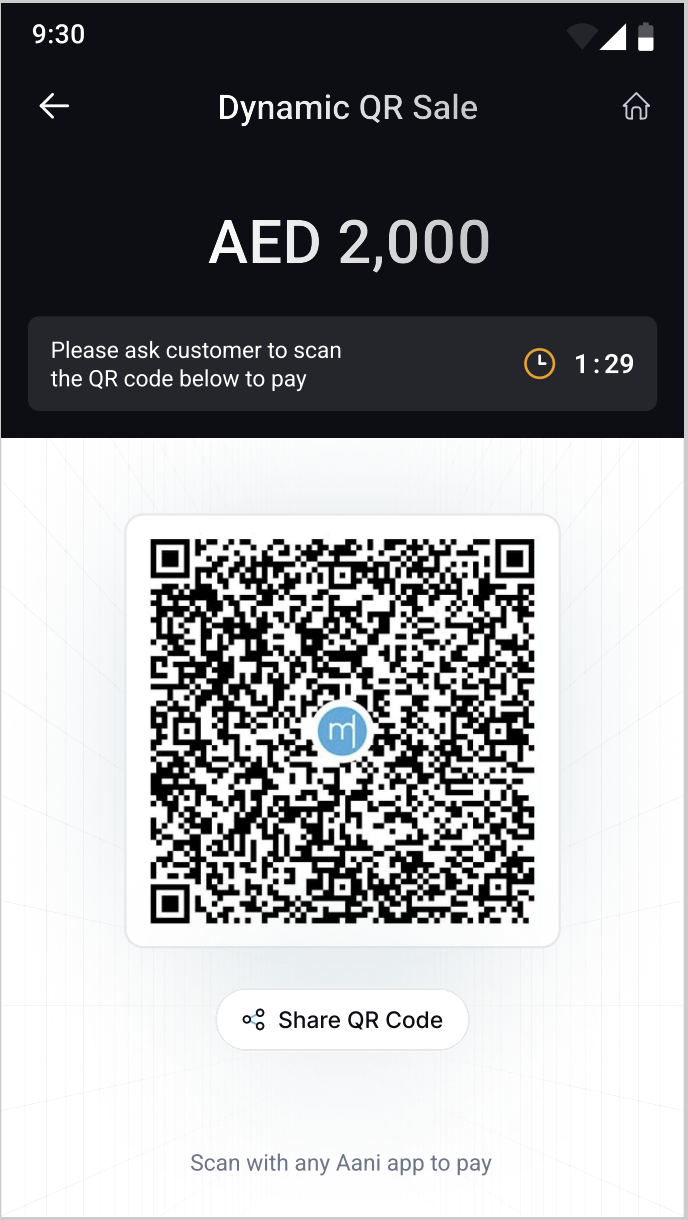
Dynamic QR amount capture and invoice-aware transaction initiation for merchant-side collections.
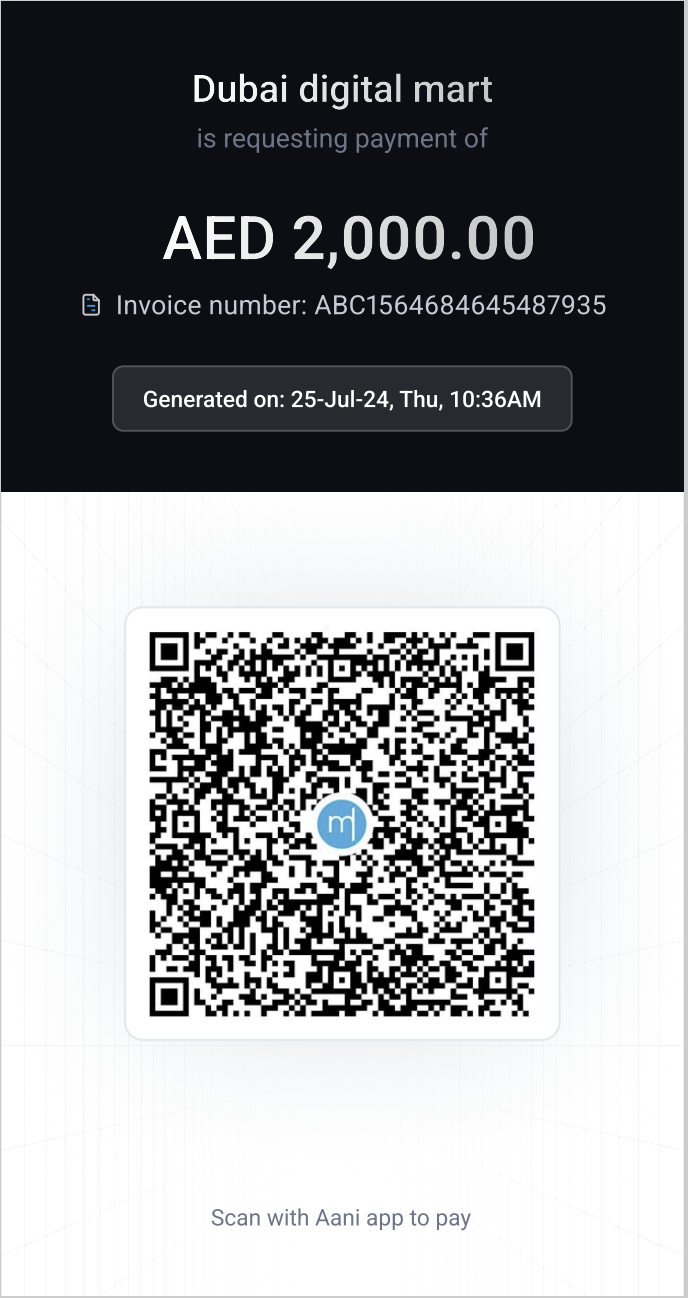
Request-to-pay journeys and customer-facing payment views extend the platform beyond in-store use.
A reusable reference for
future bank-led merchant platforms.
The implementation separated onboarding APIs, customer profile APIs, and transaction APIs instead of collapsing everything into one integration layer.
OTP-led access, role-sensitive application structure, validation-heavy flows, and separated service layers reflect a banking-conscious delivery posture.
SolidX reduced platform rebuild effort so the team could focus on NBF-coupled complexity, merchant hierarchy, and custom operational journeys.
This is the kind of case study that helps show how SolidX can accelerate delivery on real banking and fintech systems, not by replacing engineering judgment, but by giving teams a stronger operational base to build from.